



In today’s digital landscape, brands are competing for attention across more channels than ever before. Consumers can search, compare and purchase products and services instantly, whether they’re on their phone, browsing online or using new AI-powered tools to discover information. As technology continues to evolve, digital visibility has become a fundamental part of any successful marketing strategy. After all, what use is a great product or service if your audience can’t find you?
For many businesses, search visibility remains a key part of achieving this. Ranking highly on Google can help brands connect with potential customers at the moment they are actively looking for information, products or services. However, visibility is not only about where you rank — it is also about the strength of your brand, the trust you build with your audience and the reasons people choose to seek you out.
This raises an interesting question: what happens when a brand doesn’t dominate the search results for its category? Should it be a cause for concern?
For one of the world’s most recognisable fashion brands, the answer is no. Vogue demonstrates that while digital performance is important, a strong brand identity and loyal audience can be just as powerful. While Vogue’s influence extends far beyond search visibility, its success has been built over more than a century of consistent branding, cultural relevance and a deep understanding of what its audience values.
When brand authority matters more than rankings
It’s interesting to look at Vogue’s position in search. For a brand so strongly associated with fashion, you might expect it to appear at the top of every broad, non-branded fashion-related search. However, search visibility is influenced by a range of factors, including relevance, content, user intent and the specific needs behind each search.
This highlights an important lesson for marketers: search rankings are only one part of digital visibility. A brand can build significant influence beyond a results page by creating recognition, trust and an audience that actively seeks it out.
Vogue is a great example of this. Rather than relying purely on online discovery, it has spent more than 120 years building a brand that represents authority, aspiration and expertise within fashion.
Building a brand beyond the search results
While search visibility is an important part of digital marketing, Vogue demonstrates that strong brands are built through much more than rankings alone.
Despite being one of the most recognisable names in fashion, Vogue’s success has never relied solely on online discovery. Over more than a century, it has built a reputation as an authority in fashion, culture and luxury — creating a level of recognition and trust that extends far beyond any individual marketing channel.
So how has Vogue maintained such influence as consumer behaviour has shifted increasingly online?
The answer lies in its ability to build a brand, rather than simply produce a magazine. Since its first issue in 1892, Vogue has developed a clear identity centred around fashion, creativity and cultural influence. While the way audiences consume content has changed dramatically, the core purpose of the brand has remained consistent.
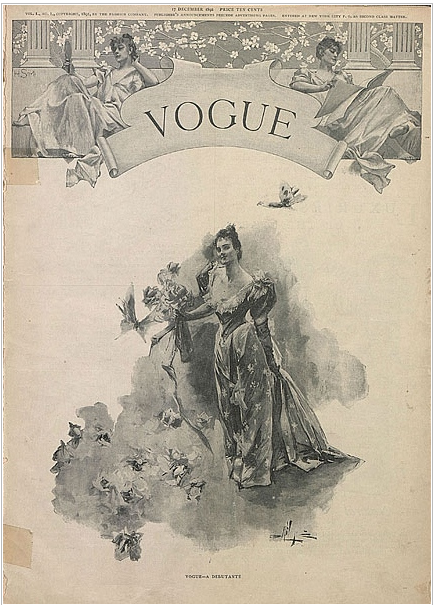
Early Vogue cover image taken from Google image
Looking back at previous Vogue covers, you can see how the publication has evolved with changing trends while maintaining its recognisable identity. The design, photography and editorial approach have adapted over time, allowing Vogue to remain relevant while staying true to what its audience values.
This balance between consistency and evolution is one of the biggest lessons marketers can take from Vogue. The brand understands its audience, knows what it represents and continues to create content that feels relevant to its readers.
Rather than changing direction with every shift in the market, Vogue has focused on evolving while maintaining the authority and identity that audiences recognise. By consistently delivering a distinctive point of view, it has created a brand that people recognise, trust and associate with expertise.
For marketers, the lesson is clear: while channels and platforms will continue to change, a strong understanding of your audience and a consistent brand purpose remain essential.
Vogue: building a brand people recognise
Vogue’s greatest achievement is that it has become more than a magazine — it has become a brand associated with fashion, creativity and influence. By developing a clear identity and consistently delivering a distinctive point of view, Vogue has established itself as a trusted source for audiences who look to it for inspiration, insight and trends.
The lesson for marketers is not to simply follow what is popular, but to understand what your brand represents and why your audience chooses to engage with you. Strong brands are built by creating a clear connection with their audience and consistently delivering value.
Vogue has also demonstrated the importance of evolving while staying recognisable. Throughout its history, its covers and visual style have adapted alongside changes in culture, technology and consumer expectations. From illustrated covers to modern photography and digital-first content, Vogue has embraced new ways of communicating while maintaining the identity that makes the brand instantly recognisable.
This balance between consistency and evolution is something businesses across all industries can learn from.
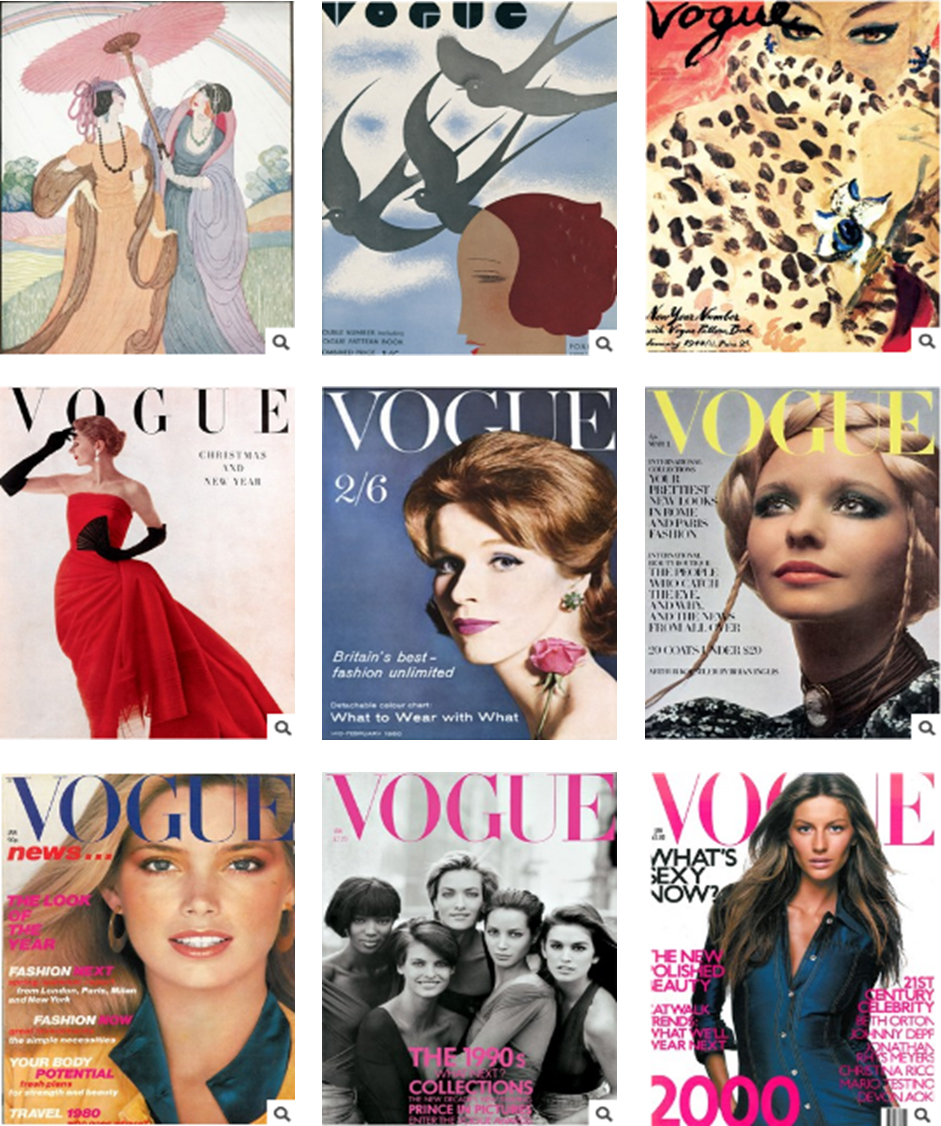
Image taken from Vogue.co.uk
Key marketing lessons from Vogue
Stay relevant without losing focus
Markets, platforms and consumer behaviours will continue to change. Successful brands adapt to these changes while staying true to their core purpose.
Understand your audience deeply
Vogue has built its influence by understanding what matters to its readers. The strongest marketing strategies begin with knowing who your audience is, what they value and what problems you can solve.
Create a clear brand purpose
Everyone within an organisation should understand what the brand stands for and what it aims to achieve. A clear purpose helps businesses create consistent experiences across every channel.
The importance of audience-led marketing
Vogue’s approach highlights an important principle that remains relevant for marketers today: successful brands are built by focusing on audiences, not just channels.
As technology and consumer behaviour continue to evolve, the platforms people use to discover and engage with brands will change. However, the fundamentals of effective marketing remain the same — create valuable content, understand your audience and build trust over time.
Former British Vogue Publishing Director Stephen Quinn highlighted this approach:
“Don’t turn your back on print. Embrace social but don’t build your house on it. Invest in quality content that excites your readers. Focus on the reader and not the sales pitch and remember, you can build a brand on content – just be definitively good at one thing.”
While the marketing landscape has moved far beyond print, the message behind the quote still applies. Brands should avoid chasing every new platform or trend and instead focus on creating meaningful experiences that resonate with their audience.
The biggest lesson from Vogue’s strategy is that relevance comes from clarity. By understanding who it serves, what it represents and how it delivers value, Vogue has built a brand that continues to influence its industry.
In an increasingly complex search landscape, brands need to think beyond individual channels and focus on how they appear wherever audiences are looking.
For businesses looking to grow, the takeaway is simple: create focused, audience-led content and build trust through consistency. Make sure your brand remains recognisable wherever customers discover you — whether that’s through search, social media, digital platforms or emerging AI-powered experiences.
Found is the AI-first Everysearch™ agency, driving digital marketing performance across every searchable platform. From SEO and PPC to paid social and creative content, we use data and AI to build strategies that optimise how brands appear across search, summaries, and conversations.