In This Article
The luxury market is evolving, shaped by shifting consumer values, technological innovation, and economic uncertainty. In 2026, brands must navigate a landscape where heritage meets digital-first experiences and exclusivity competes with accessibility. This article explores the key luxury marketing trends redefining success in the sector and outlines how luxury brands can stay ahead. From AI-enhanced campaigns to hyper-personalised discovery tools, the luxury goods industry is in the midst of a strategic transformation and to compete, brands need to be at the forefront.
What is luxury marketing?
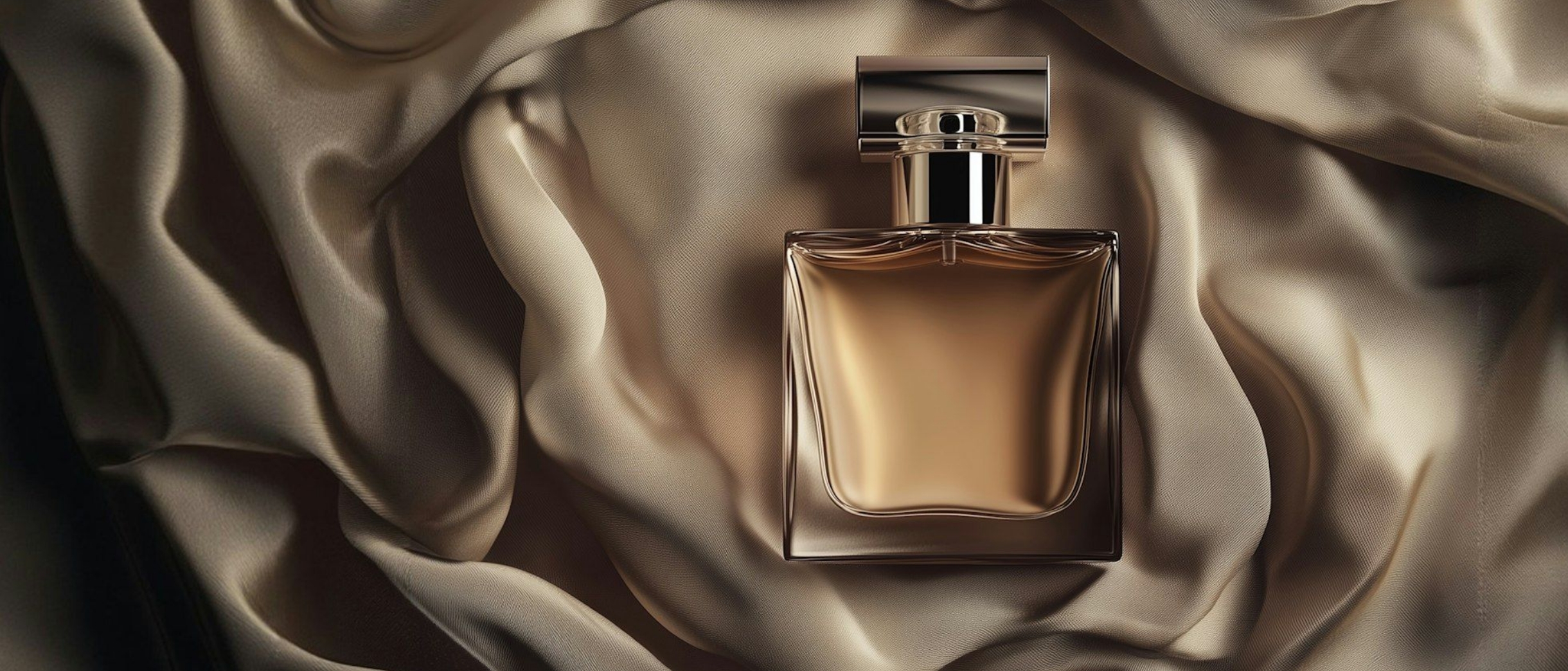
Put simply, luxury marketing is the strategic promotion of high-end products and services designed to convey exclusivity and superior quality. It focuses on crafting experiences that appeal to primarily affluent consumers and reinforce brand heritage. Unlike mainstream marketing, luxury marketing focuses heavily on unique storytelling, limited editions, and high-touch customer service to elevate brand perception and maintain desirability in the eyes of buyers with money to spend.
What distinguishes luxury marketing from retail?
Luxury marketing typically differs from standard retail marketing in both tone and execution. While traditional retail focuses on price, convenience, and mass appeal, luxury retail emphasises emotional connection, rarity, and craftsmanship to engage its more niche audiences. The customer journey is often more curated, with an emphasis on personalised service, experiential touchpoints, and a strong sense of brand identity. Trust and brand legacy are central to purchase decisions in the luxury sector, mainly due to the high value products or services being sold.
The luxury market overview
Historically, the luxury market has shown remarkable resilience and consistent growth. In 2022, Bain & Company valued the global luxury goods market at over €353 billion, with high-end fashion, watches, and jewellery leading the charge. UK consumers continue to be significant players, with London ranked among the top global cities for luxury shopping.
However, the outlook for 2026 points to a clear turning point for the global luxury sector. The heady post‑pandemic boom has eased into a period of more tempered expansion, as persistent inflationary pressures, cost‑of‑living strains and evolving consumer priorities weigh on discretionary spending. After a largely flat 2025 performance, major industry forecasts now envisage moderate growth of around 3–5% in 2026, with some analysts even flagging up to 5.5% growth in personal luxury sales — a marked deceleration from the double‑digit rates seen earlier in the decade and a sign that affluent demand, while resilient, is no longer enough to mask broader market caution.
Meanwhile, another shift is taking place as younger consumers are redefining luxury around sustainability, inclusivity, and digital experience. These luxury consumer trends that are continuing to grow mean brands must adapt or risk irrelevance and lose out on valuable customers.
Luxury marketing trends to stay competitive in 2026
With big challenges and changes taking place across the industry, it’s more important than ever to stay on top of market trends and ensure you align your marketing strategies with current audiences. Adapting to the changing trends will allow your brand to stay relevant and drive growth.
1. Hyper-personalised discovery through AI and Everysearch™
Modern luxury consumers expect seamless, personalised experiences across every touchpoint. The rise of generative AI and tools like Found’s proprietary Everysearch™ platform is enabling brands to understand audience intent in unprecedented depth. Everysearch™ helps luxury marketers uncover the most relevant channels and search behaviours, aligning messaging with real consumer motivations. This ensures that campaigns are not only targeted but deeply resonant with their audience. Luxury isn’t a single audience — it spans from premium to mid- and high-end, so it’s crucial to understand the different needs and online behaviours across this diverse group.
2. AI as a strategic creative collaborator
In 2026, luxury marketing is entering a new era where AI isn’t just a productivity tool — it’s a creative partner. Leading maisons are blending generative AI with human intuition to push the boundaries of brand storytelling and visual expression. Rather than replacing designers, AI accelerates ideation, helps surface unexpected aesthetics, and provides inspiration that artisans can refine and elevate. Campaigns that harness this hybrid workflow unlock fresh creative possibilities while staying rooted in craftsmanship and brand DNA. GenAI‑assisted visuals and concept exploration allow luxury teams to experiment faster, adapt to cultural shifts and test bold ideas without compromising the emotional depth that defines high‑end luxury storytelling.
3. Social Media as the new luxury runway
Platforms like Instagram, TikTok, and Pinterest are increasingly influential in luxury brand discovery. Visual storytelling and short-form video content offer immersive ways to showcase craftsmanship, behind-the-scenes exclusivity, and real-time drops. The growing number of luxury fashion industry trends on these social media platforms is pushing brands to balance traditional brand prestige with digital agility. Influencer partnerships remain powerful but must be approached with care to preserve authenticity.
4. Sustainability as a brand imperative
Eco-consciousness is no longer a trend—it’s a baseline expectation. From luxury fashion to fine jewellery, consumers are demanding transparency on sourcing, production, and ethical practices. Luxury goods industry trends show that brands like Stella McCartney and Chopard, who lead with sustainability, are gaining loyalty among Gen Z and millennial buyers. Communicating environmental credentials clearly and honestly is now essential to brand equity.
5. Growth of luxury ecommerce trends
The pandemic catalysed luxury’s shift to digital, and in 2026, ecommerce continues to be a key growth driver. However, luxury ecommerce must feel elevated, not transactional. Personalised virtual shopping, immersive product visuals, and concierge-style online service are now standard. Brands investing in refined online experiences that mirror in-store exclusivity are outperforming their peers in digital growth.
6. Embracing the metaverse and digital luxury
While still evolving, the digital luxury space — including NFTs, virtual wearables, and branded gaming experiences — offers unique ways to engage younger audiences. Balmain, Gucci, and Louis Vuitton have all experimented with virtual fashion. Though not a primary sales driver yet, this trend is expanding the definition of luxury and building next-gen brand loyalty.
7. Localisation and cultural nuance
Luxury retail trends show that global appeal must now be balanced with local relevance. Brands tailoring campaigns to specific cultural and regional values are seeing stronger engagement. Whether it’s Chinese New Year capsule collections or regionally tailored influencer campaigns, cultural sensitivity is key to connecting with global luxury audiences.
8. Immersive digital and “phygital” engagements
The lines between physical and digital experiences have never been more blurred — and luxury brands are mastering the art of phygital. This isn’t about gimmicks: it’s about creating seamless, emotionally rich journeys that feel as exclusive as a bespoke showroom.
Brands are deploying immersive technologies at scale to deliver tactile‑like digital encounters that sit alongside, or even extend, traditional retail experiences. AR‑powered virtual try‑ons let customers see how a Dior piece or Rolex watch looks on them from their phone — turning convenience into connection. Meanwhile, high‑end fashion houses are bringing runway moments into mixed reality: Balenciaga’s Apple Vision Pro app lets audiences experience full 4K runway shows in spatial environments, transforming how global audiences engage with seasonal collections beyond the live event.
Successful 2026 phygital experiences don’t just showcase products — they invite customers into the craft and culture behind them, whether through AR storytelling in flagship stores, interactive 3D showrooms, or virtual brand worlds that complement real‑world prestige.
9. Data-led creative strategies
Luxury brands have historically prioritised creative over data, but in 2026, the most successful campaigns are those that blend both. Data-led insights, from search trends to audience segmentation, inform not just media buying but creative execution. Using tools to analyse luxury market trends ensures that storytelling remains relevant, timely, and effective.
In a shifting landscape, luxury brands can no longer rely solely on legacy and allure. Success in 2026 will come to those who embrace change—blending innovation with identity, and data with distinction. The future of luxury marketing is here, and it’s more personalised, digital, and purpose-driven than ever. If you want to discuss your brand’s activity in more detail, get in touch today.